Squat Patterns
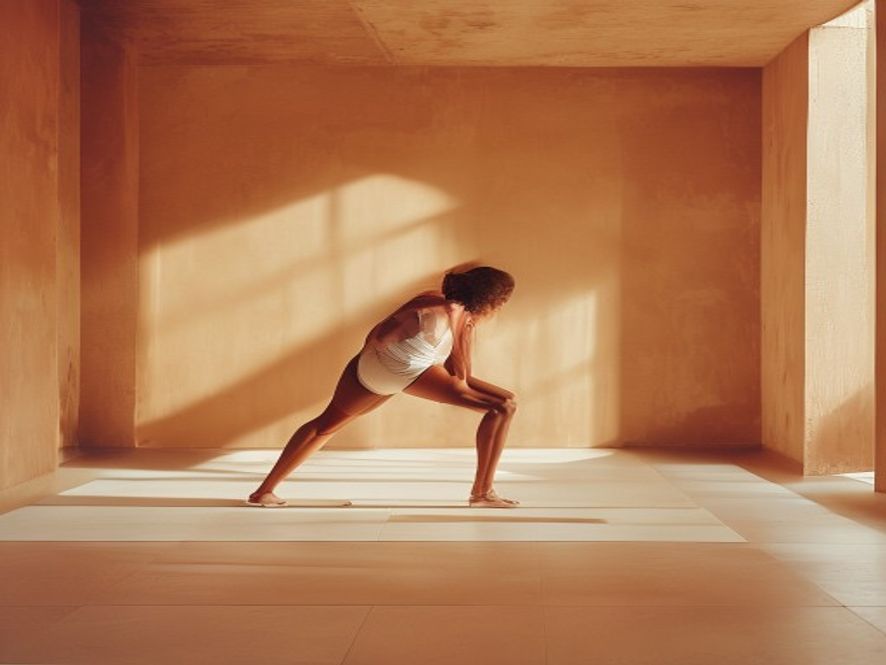
Hip-dominant movements including bodyweight squats, pistol progressions, and sissy squats. Master lower body strength and control.
Proper form is the foundation of effective training. Our movement guide teaches you how to perform exercises correctly, with form cues, common mistakes, and progressions.
Get Personal Coaching
Learn the fundamental movement patterns that form the basis of all bodyweight training.
Hip-dominant movements including bodyweight squats, pistol progressions, and sissy squats. Master lower body strength and control.
Upper body pushing including push-ups, handstand progressions, and dips. Build horizontal and vertical pressing strength.
Upper body pulling including pull-ups, chin-ups, and rows. Develop back strength and pulling power.
Stability and anti-rotation work including planks, L-sits, and loaded carries. Build a strong foundation.
Each exercise in our library includes detailed form cues, common mistakes to avoid, and progression paths. Start by mastering the foundation level, then progress to more challenging variations.
In our classes, we walk through these movements live, show modifications on-the-fly, and give real-time feedback on your form. The videos are available for review after each session.
| Exercise | Beginner Progression | Intermediate | Advanced |
|---|---|---|---|
| Push-Up Variations | Wall push-ups, incline push-ups | Standard push-ups, diamond push-ups | Archer push-ups, handstand push-ups |
| Pull-Up Progressions | Scapular pull-ups, negative pull-ups | Full pull-ups, weighted pull-ups | Muscle-ups, one-arm pull-up progressions |
| Squat Variations | Assisted squats, box squats | Full bodyweight squats, jump squats | Pistol squat progressions, shrimp squats |
| Core Work | Modified planks, dead bugs | Standard planks, hollow body holds | L-sits, handstand holds, ab wheel rollouts |
Good form should feel stable and controlled. Compare your movement to our videos and cues. Our instructors can also review your form in personal coaching sessions or during group classes. Film yourself if possible—seeing your movement helps identify issues.
Pain is a signal to stop that movement. Sharp pain means stop immediately. Discomfort with a new exercise is normal, but genuine pain is not. We can suggest modifications or alternative exercises. For persistent pain, consult healthcare providers.
You're ready to progress when: (1) you can perform the current level with perfect form for the prescribed reps/sets, (2) the exercise feels controlled and stable, (3) you've practiced for at least 2-3 weeks. Progression is about quality, not speed.